
01
Digital Transformation
Assess opportunities to modernise existing technology, business applications and workflows with suitable solutions and a coordinated implementation approach.
Technology decisions affect your people, processes, security, budgets and ability to grow. Getting those decisions right requires more than choosing the latest software or hardware.
IRON IT Group provides practical IT consultancy to help businesses assess their technology, plan improvements and make informed decisions about infrastructure, cloud services, cybersecurity and digital transformation.
From major IT projects and technology investments to specialist technical reviews and leadership support, we help turn complex requirements into clear next steps.
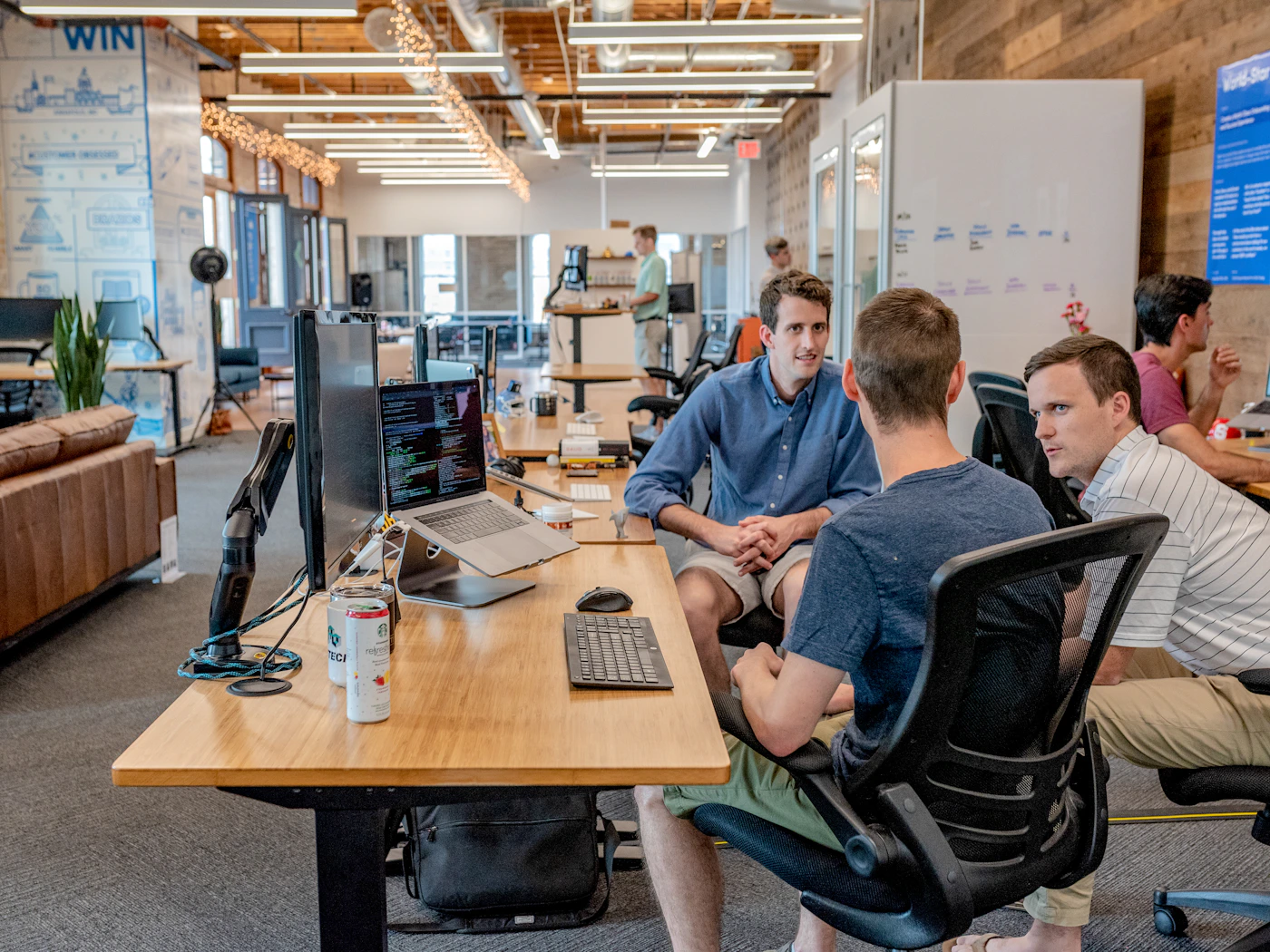
As businesses develop, technology environments often become more complicated. New applications are introduced, infrastructure changes, cloud subscriptions increase and systems begin to depend on one another in different ways.
Without a clear technical direction, decisions can become reactive. Projects may lack ownership, infrastructure can become harder to maintain and investment priorities may be unclear.
IT consultancy provides an opportunity to examine the bigger picture and develop practical recommendations based on the organisation's goals.
An engagement may focus on a particular technical issue or support a broader initiative involving infrastructure modernisation, cloud adoption, security, planning or business transformation.
The objective is to understand your requirements first, assess relevant options and recommend an appropriate course of action.
Request an IT Consultation →Explore the eight principal consultancy areas covering business transformation, technology strategy, cybersecurity, project delivery and specialist advisory support.
Assess opportunities to modernise existing technology, business applications and workflows with suitable solutions and a coordinated implementation approach.
Develop technology roadmaps aligned with growth, performance, security, operational requirements and financial priorities.
Review relevant security controls, technology risks, governance and readiness for applicable frameworks or industry requirements.
Assess support processes, technical responsibilities, infrastructure management, supplier relationships and operational resilience.
Evaluate technology dependencies, applications, contracts, security risks and integration requirements during an acquisition or merger.
Plan suitable migrations and assess technical risks before major changes to systems, infrastructure or cloud services.
Review proposed investment, project scope, delivery stages, resource requirements, dependencies and technical acceptance criteria.
Provide defined advisory input, leadership support and technical guidance to strengthen internal IT decision-making.
Whether you're considering a new cloud platform, replacing networking equipment, selecting business software or reviewing cybersecurity investment, important technology choices involve trade-offs.
The right decision should balance technical suitability with cost, security, business impact, existing systems and long-term support.
An IT consultancy assessment helps create a clearer picture of the available options before resources are committed.
A simplified example of the considerations involved in a technology advisory engagement.
Digital transformation should be driven by the organisation's requirements rather than the assumption that every existing technology needs replacing.
Businesses may be looking to improve employee productivity, modernise ageing systems, simplify complicated workflows or introduce suitable cloud and automation services.
Before major changes, it is important to understand how applications are used, what information they manage and which business processes depend on them.
Consultancy can help evaluate opportunities, assess technical constraints and establish a practical sequence for approved transformation initiatives.

Not every organisation requires a full-time senior technology executive, and even established IT departments can benefit from additional expertise during major projects or business changes.
A virtual CIO (vCIO)-style advisory engagement may provide strategic technology guidance, planning support and assistance with defined leadership responsibilities.
This can involve discussing technology priorities with business leadership, evaluating budgets, reviewing infrastructure and supporting internal technical teams.
Specialist guidance can also be useful when an organisation is restructuring, expanding or considering significant changes to its technology environment.
The advisory role, decision-making authority and ongoing availability should be agreed in the engagement scope.
Mergers and acquisitions can involve combining organisations with different infrastructure, applications, identity systems, security policies and commercial agreements.
Without appropriate technical assessment, important risks and integration costs may be overlooked.
IT due diligence can help examine relevant technology assets, supported systems, vendor arrangements, security practices, technical debt and potential integration challenges.
This information can support business leaders and transaction advisers when considering technology-related commitments and post-transaction plans.

Technology projects can involve several systems, suppliers, employees and technical dependencies. A successful outcome requires planning beyond the installation of new equipment or software.
An IT consultancy engagement can help establish project objectives, technical requirements, dependencies, risks and the responsibilities of different delivery teams.
For complex migrations, the plan should consider application behaviour, data integrity, user access, testing and potential disruption.
Effective project governance provides an opportunity to review progress, document decisions and resolve important concerns before they affect later stages.
Consultancy work should produce outputs relevant to the issue being assessed. Depending on the agreed scope, an engagement may include the following deliverables.
A documented assessment of the systems, requirements and issues within the review scope.
Suitable technology options, design considerations and the reasons for a proposed approach.
Identified concerns, dependencies and relevant recommendations for further investigation or remediation.
A prioritised plan of proposed workstreams, milestones, ownership and longer-term objectives.
Estimated costs, licensing implications and other relevant financial planning assumptions.
Defined technical requirements, project stages, validation criteria and suitable handover arrangements.
A defined approach helps ensure recommendations reflect business priorities and practical technical requirements.
Understand business objectives, stakeholders, existing systems and the issue to be addressed.
Review relevant technology, constraints, risks, costs and operational dependencies.
Present appropriate options, potential trade-offs and prioritised technical guidance.
Define proposed work, responsibilities, resources and suitable implementation stages.
Evaluate agreed outcomes and identify the next practical steps for the business.
IT consultancy can help provide additional perspective, structured analysis and technical support when business leaders or internal IT teams face important choices.
Connect proposed IT changes with business requirements and long-term priorities.
Access additional technical input for defined projects, systems and decisions.
Understand dependencies and potential challenges before making significant changes.
Consider total costs, licensing, resources and future operating requirements.
Quick answers to the most common questions about our IT consultancy services.
IT consultancy provides advice and technical expertise to help businesses assess systems, plan projects and make informed technology decisions.
Services may include IT strategy, infrastructure design, cloud planning, cybersecurity assessments, digital transformation, migrations and project guidance.
Yes. Smaller businesses can use consultancy for defined technical needs without maintaining every specialist skill internally.
Yes. A consultancy engagement can complement internal IT staff through architecture reviews, project planning or additional technical guidance.
A vCIO provides external technology leadership and planning support. Responsibilities and availability depend on the agreed arrangement.
It may identify unnecessary spending or more suitable solutions, but financial savings are not guaranteed.
An engagement can assess cloud readiness, architecture, costs, dependencies and migration planning. Implementation can be separately scoped.
IT due diligence can help review technology assets, contracts, security concerns and integration risks during a business transaction.
Timescales depend on the environment, complexity, information available and deliverables required.
Pricing depends on the scope, technical complexity and work required. Contact IRON IT Group to discuss your needs.
IT consultancy can support planning across audits, roadmaps, cloud adoption, business continuity and technology governance.
Plan long-term technology direction, priorities and investment.
Explore IT Strategy →Review existing IT systems, infrastructure, risks and opportunities.
Explore Technology Audits →Evaluate cloud platforms, workload suitability, costs and governance.
Explore Cloud Strategy →Prepare suitable workloads for a planned cloud transition.
Explore Migration →Develop appropriate technology governance and operational standards.
Explore IT Policies →Assess recovery requirements, critical systems and continuity planning.
Explore Recovery Services →Talk to IRON IT Group about technology consultancy, digital transformation, IT strategy, cybersecurity, infrastructure planning, mergers and acquisitions, project delivery and technical leadership.